Preventing and Managing Hyperkalemia: A Multi-Incident Analysis
Hyperkalemia is an electrolyte disturbance associated with significant clinical complications. Medication incidents can contribute to the development of hyperkalemia, prolong the risks associated with hyperkalemia, or lead to worsening metabolic symptoms. The treatment of hyperkalemia is of particular concern because it often involves the use of high-alert medications. This multi-incident analysis of reports associated with hyperkalemia identifies safety vulnerabilities and provides insights to mitigate harm and improve patient care.
INTRODUCTION
Electrolyte and fluid imbalance is one of the top 6 harmful events in acute care hospitals.1 Hyperkalemia, defined as elevated serum potassium, is an electrolyte disturbance associated with significant clinical complications. Severe hyperkalemia is potentially life-threatening, as it can lead to fatal cardiac arrhythmias.2
Medication incidents can contribute to the development of hyperkalemia, prolong the risks associated with hyperkalemia, or lead to worsening metabolic symptoms. The treatment of hyperkalemia is of particular concern because it often involves the use of high-alert medications. This multi-incident analysis of reports associated with hyperkalemia identifies safety vulnerabilities and provides insights to mitigate harm and improve patient care.
METHODOLOGY
Reports of medication incidents related to hyperkalemia that occurred in acute care settings were extracted from 3 reporting programs (National System for Incident Reporting [NSIR],* Individual Practitioner Reporting, Consumer Reporting) of the Canadian Medication Incident Reporting and Prevention System (CMIRPS)† between March 2021 and February 2026. The following search terms were used: “hyperk*”, “hyper-k*”, “potas*”, “K”, “K+”, and “KCl”. The analysis was conducted according to the methodology for multi-incident analysis outlined in the Canadian Incident Analysis Framework.3
QUANTITATIVE FINDINGS
The data extraction yielded 664 incidents, with 97% of the reports being retrieved from the NSIR.‡ After exclusion of incidents not related to hyperkalemia, 51 incidents remained for analysis. Over one-third of the incidents (n=19) involved some degree of patient harm (Figure 1). Among these incidents, the top 3 factors reported as contributing to harm were unspecified communication factors, delay in action, and lack of double/independent check processes.
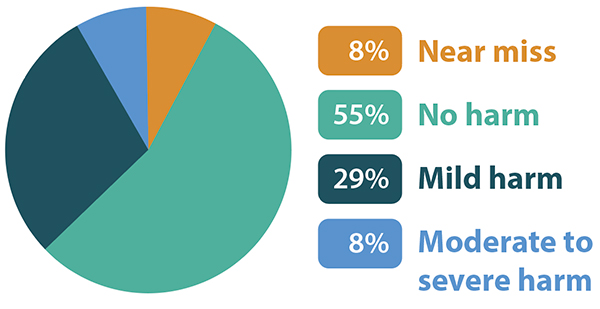
FIGURE 1. Reported degree of harm for incidents associated with hyperkalemia.
QUALITATIVE ANALYSIS
The multi-incident analysis identified 3 themes, each with several subthemes (Figure 2).
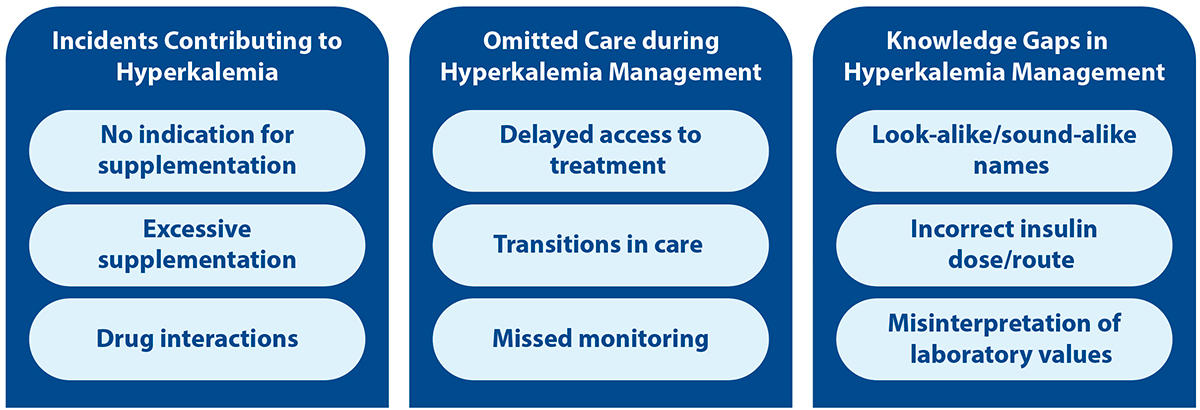
FIGURE 2. Main themes and subthemes from the qualitative analysis of incidents associated with hyperkalemia.
THEME: Incidents Contributing to Hyperkalemia
This theme encompasses findings from the analysis of reports describing factors that led to hyperkalemia.
Subtheme: No indication for supplementation
Some of the incident reports described patients receiving potassium supplementation without an appropriate clinical indication, including supplementation administered to the wrong patient. Contributing factors included heavy workload, incorrect order transcription, and lack of monitoring.
Incident example: According to the hospital’s order set for congestive heart failure, potassium supplementation was to be given to a patient when warranted by their potassium level. Despite the latest potassium level being outside the specified parameters for treatment, the patient received supplementation, which resulted in iatrogenic hyperkalemia.
Subtheme: Excessive supplementation
Certain incident reports described patients who received potassium doses higher than prescribed, at more frequent intervals than prescribed, and beyond the intended duration of treatment. Contributing factors included order entry errors and lack of double/independent check processes.
Subtheme: Drug interactions
The analysis showed that unrecognized or unaddressed drug interactions led to hyperkalemia in some patients. Common medications that can increase potassium levels include angiotensin-converting enzyme (ACE) inhibitors, angiotensin receptor blockers (ARBs), potassium-sparing diuretics, and sulfamethoxazole-trimethoprim.2 These medications can increase the risk of hyperkalemia when taken together.2,4 A key contributing factor was limited clinical decision support to identify high-risk medication combinations.
Incident example: An older patient in the community taking perindopril (an ACE inhibitor) was given a prescription for sulfamethoxazole–trimethoprim. This drug interaction was not recognized and resulted in hospitalization of the patient for acute kidney injury and hyperkalemia.
THEME: Omitted Care during Hyperkalemia Management
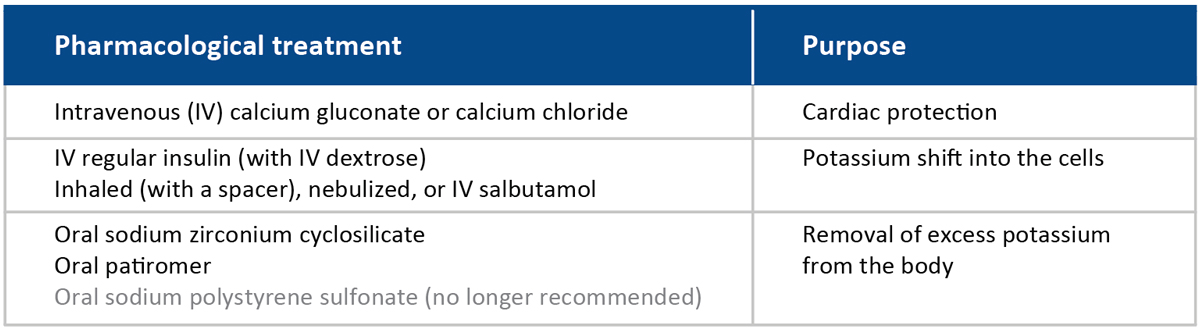
This theme captured reports describing steps that were missed during the treatment of hyperkalemia, including missed administration of medications (Table 1).
TABLE 1. Select pharmacological treatment options for hyperkalemia2,5
Subtheme: Delayed access to treatment
Several incident reports identified a delay in receiving time-sensitive treatment. Such delays extended patients’ exposure to potentially life-threatening complications (e.g., cardiac arrhythmia). A key contributing factor was the lack of availability of required medications on the care unit.
Subtheme: Transitions in care
Communication gaps at transitions in care contributed to missed doses. Internal patient handovers between shifts and external transfers between hospitals led to confusion regarding medications given and medications still required; this in turn caused treatments for hyperkalemia to be withheld. Incidents involving external transfers to another care setting described inadvertent discontinuation of hyperkalemia treatments.
Subtheme: Missed monitoring
This subtheme details monitoring related to glucose or potassium. Administration of intravenous (IV) regular insulin for the treatment of hyperkalemia requires co-administration of dextrose, along with frequent monitoring of blood glucose, to prevent hypoglycemia. Several of the incident reports in this analysis described omission of blood glucose monitoring, which resulted in severe harm. For potassium monitoring, there were cases related to missed orders or delayed bloodwork. Misapplication of standard procedures and protocols emerged as a common contributing factor.
Incident example: Humulin R for IV administration and 50% dextrose in water were ordered without blood glucose monitoring, although monitoring was part of the protocol. The patient received the insulin without monitoring and was later found unresponsive, with severe hypoglycemia.
Although there were no reported cases in this analysis involving missed electrocardiogram (ECG) monitoring, ECG monitoring has been recommended to support determination for further calcium dosing.6
THEME: Knowledge Gaps in Hyperkalemia Management
This theme describes circumstances in which gaps in knowledge or familiarity regarding hyperkalemia management contributed to medication incidents. Specifically, the medications used to treat hyperkalemia are typically associated with other indications (e.g., salbutamol to treat asthma); therefore, use of these medications in a less familiar context may lead to misinterpretation of orders.
Subtheme: Look-alike/sound-alike names
Several incidents involved the mix-up of medications used to treat hyperkalemia due to look-alike/sound-alike medication names. Many of these incidents stemmed from confusing Humulin R (insulin for humans; fast-acting) with other insulin products (Humalog [insulin lispro; fast-acting] or Humulin N [insulin NPH; intermediate-acting]). Contributing factors included communication issues, incomplete or incorrect orders, and limitations in double/independent check processes.
Incident example: A pharmacist received a verbal order for “Fentanyl neb 2.5 mg × 2” alongside orders for dextrose and IV insulin, which suggested treatment of hyperkalemia. The pharmacist identified this as an uncommon use of and dose for fentanyl and requested clarification. This process revealed that the intended medication was Ventolin (brand name for salbutamol), not fentanyl.
Subtheme: Incorrect insulin route/dose
Insulin to manage diabetes mellitus is typically measured in units and is administered subcutaneously from insulin pens or insulin syringes with subcutaneous needles. However, when insulin is administered by the IV route for hyperkalemia, insulin syringes with luer locks are needed. If the hospital does not have insulin syringes with luer locks, nurses would likely use a syringe with markings in millilitres rather than units, which could lead to conversion errors.
The analysis identified numerous incidents in which the wrong dose was administered. Dose calculation errors, preparation errors, and gaps in double/independent check processes were identified as prevalent contributing factors.
Incident example: A patient who was being treated for hyperkalemia mistakenly received 500 units of fast-acting insulin instead of the prescribed 5 units, a 100-fold error. The patient was later found unresponsive due to severe hypoglycemia and required frequent blood glucose monitoring and multiple infusions of dextrose.
Subtheme: Misinterpretation of laboratory values
The analysis identified several incidents in which misinterpretation of laboratory values contributed to issues with hyperkalemia management. In several cases, potassium-lowering medications were administered despite the laboratory results not supporting a diagnosis of hyperkalemia.
One such scenario is the failure to recognize the presence or implications of a hemolyzed blood sample, often noted on the laboratory report. Hemolyzed samples typically return higher levels of serum potassium than are actually present in the serum, because the degradation of blood cells in the sample results in pseudohyperkalemia. Contributing factors in this subtheme included lack of communication between the laboratory and the care unit.
RECOMMENDATIONS
- Implement and review order sets for managing hyperkalemia to ensure consideration of the following factors:
- potassium levels requiring initiation of treatment
- medication administration in the correct sequence (e.g., IV calcium first)
- monitoring for potassium (including consideration of hemolyzed samples)
- monitoring for glucose, if insulin is selected
- discontinuation of all potassium supplements and holding all other medications that increase potassium (e.g., spironolactone, ACE inhibitors)
- other relevant clinical parameters (e.g., cardiac rhythm).
- Create a pop-up of the latest bloodwork (with the date and time) to be displayed when the electronic hyperkalemia order set is selected, when the dose is verified, and when the medication is administered.
- Display doses for regular insulin within a hyperkalemia order set in terms of both units and volume in millilitres (mL) throughout the medication system (i.e., during ordering, at verification, and at administration). This can reduce the need for conversion when used for hyperkalemia treatment, and support distinction from diabetes treatment (which uses units alone).
- Ensure the following when administering IV insulin:
- Incorporate an independent double check before administration to confirm the drug, concentration, dose (in units and volume), and route.
- Flush the line after administration to ensure the insulin does not remain in dead volume space.
- Ensure that care units have timely access to appropriate treatment through hyperkalemia medication kits or similar quick-access set-ups.
- Include not only the medications required to treat hyperkalemia, but also appropriate equipment (e.g., insulin syringes with luer locks to administer insulin by the IV route; Figure 3).
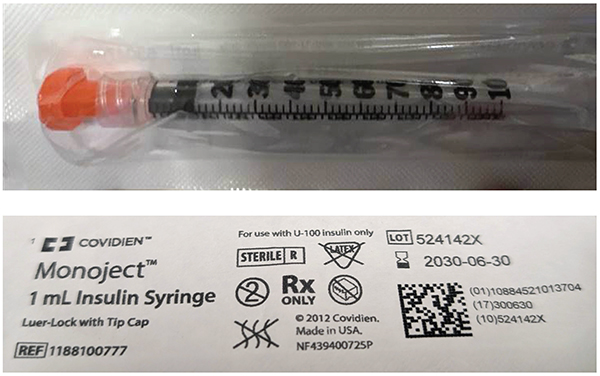
FIGURE 3. An insulin syringe with a luer lock (top) and the associated packaging (bottom).
CONCLUSION
The management of hyperkalemia involves high-risk medications and time-sensitive interventions that are susceptible to medication incidents. The themes identified in this analysis underline opportunities to strengthen medication safety through enhanced prescribing, administration, and monitoring practices and improved access to appropriate medication and equipment. Addressing these vulnerabilities may assist in the reduction of preventable medication incidents and may reduce the risk of harm associated with preventing and managing hyperkalemia.
MEDSAFETY CHECKPOINT
Does your facility have systems in place to reduce the risk of harm from hyperkalemia and incidents related to its prevention and management?
Use the MedSafety CheckPoint at your next safety huddle to evaluate your system.

The Canadian Medication Incident Reporting and Prevention System (CMIRPS) is a collaborative pan-Canadian program of Health Canada, the Canadian Institute for Health Information (CIHI), the Institute for Safe Medication Practices Canada (ISMP Canada) and Healthcare Excellence Canada (HEC). The goal of CMIRPS is to reduce and prevent harmful medication incidents in Canada.
Funding support provided by Health Canada. The views expressed herein do not necessarily represent the views of Health Canada.

The Healthcare Insurance Reciprocal of Canada (HIROC) provides support for the bulletin and is a member owned expert provider of professional and general liability coverage and risk management support.

The Institute for Safe Medication Practices Canada (ISMP Canada) is an independent national not-for-profit organization committed to the advancement of medication safety in all healthcare settings. ISMP Canada’s mandate includes analyzing medication incidents, making recommendations for the prevention of harmful medication incidents, and facilitating quality improvement initiatives.
Report Medication Incidents (Including near misses)
Online: ismpcanada.ca/report/
Phone: 1-866-544-7672
ISMP Canada strives to ensure confidentiality and security of information received, and respects the wishes of the reporter as to the level of detail to be included in publications.
Stay Informed
Subscribe to the ISMP Canada Safety Bulletins and Newsletters.
This bulletin shares information about safe medication practices, is noncommercial, and is therefore exempt from Canadian anti-spam legislation.
Contact Us
Email: cmirps@ismpcanada.ca
Phone: 1-866-544-7672
©2026 Institute for Safe Medication Practices Canada.