Making Decisions About Polypharmacy with Patients
This bulletin describes a collaborative initiative by Canada’s Drug Agency, ISMP Canada, and deprescribing.org, to improve the appropriate prescribing and use of medications in Canada. The 5 Questions to Ask About My Multiple Medications tool was developed for patients and caregivers, led by ISMP Canada, and the 5 Tips to Manage Polypharmacy tool was developed for primary health care providers, led by deprescribing.org.
INTRODUCTION
Almost two-thirds of Canadians aged 65 years or older take 5 or more different prescription medications.1 The World Health Organization defines this as polypharmacy.2 The risk of drug interactions, adverse drug events, and hospitalizations increases as the number of prescriptions for an individual rises.3
This bulletin describes a collaborative initiative by Canada’s Drug Agency (CDA-AMC), ISMP Canada, and deprescribing.org, to improve the appropriate prescribing and use of medications in Canada. The 5 Questions to Ask About My Multiple Medications tool (Figure 1) was developed for patients/caregivers, led by ISMP Canada, and the 5 Tips to Manage Polypharmacy tool (Figure 2) was developed for primary health care providers, led by deprescribing.org.
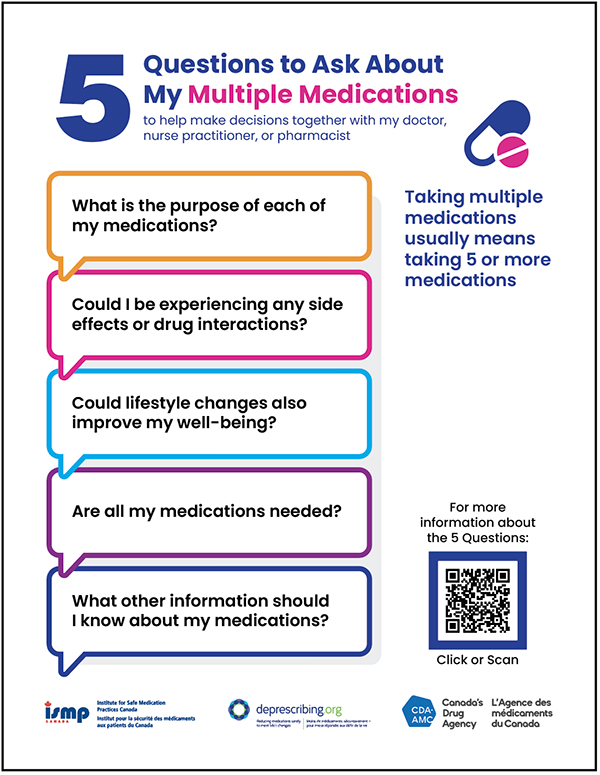
FIGURE 1. Patient- and caregiver-focused 5 Questions to Ask About My Multiple Medications tool.*
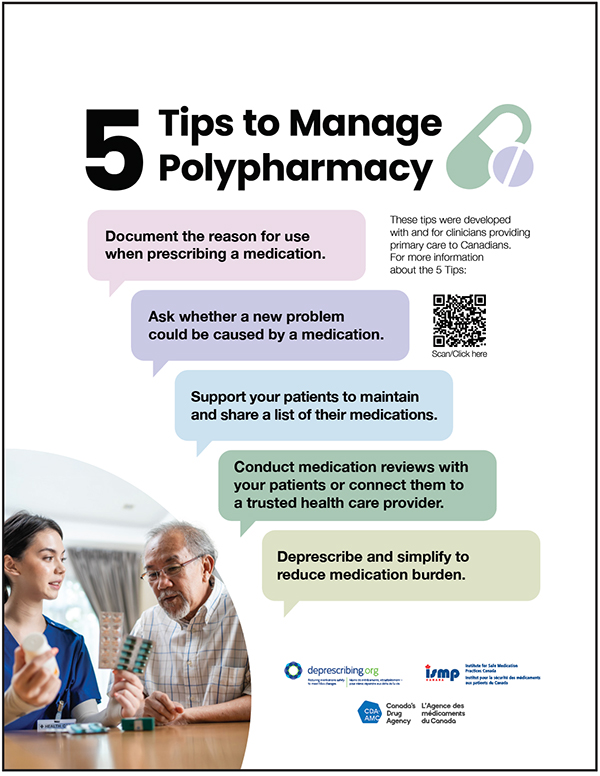
FIGURE 2. Prescriber-focused 5 Tips to Manage Polypharmacy tool.*
BACKGROUND
All patients who take multiple medications require a periodic clinical review to ensure continued safety and effectiveness of each medication, with the understanding that polypharmacy can be appropriate in certain cases. Appropriate use is when patients, caregivers, and health care providers work together to choose safe and effective medications most suited for that patient’s needs and goals to achieve best health outcomes.4
ISMP Canada received funding from CDA-AMC to develop a set of polypharmacy-focused questions for Canadian patients and caregivers, building on the widely endorsed 5 Questions to Ask About Your Medications. In addition, a companion toolkit was developed to support the use of the questions. These resources were co-created with patients, caregivers, and health care providers, as well as representatives of CDA-AMC and deprescribing.org, with input from members of the Appropriate Use Coalition. The Coalition is a grassroots group of representatives from health care organizations and the public that share a commitment to improving patient outcomes and reducing risks through appropriate prescribing.5
Parallel to this work, representatives of deprescribing.org developed 5 Tips to Manage Polypharmacy, a tool and toolkit for primary health care providers, to complement the resource for patients/caregivers. Prescribers providing primary care to patients in Canada can use the 5 Tips to Manage Polypharmacy tool and toolkit to support more effective conversations with patients who are taking multiple medications and to promote better management of polypharmacy.
METHODOLOGY
Figure 3 outlines the key steps involved in development of the 5 Questions to Ask About My Multiple Medications tool and toolkit for patients/caregivers.

FIGURE 3. Key development steps of the 5 Questions to Ask About My Multiple Medications tool and toolkit.
INTENDED USE
The 5 Questions to Ask About My Multiple Medications tool is intended to serve as a guide for patients/caregivers and to support their discussions with a primary care provider. Asking these questions can help patients
- to make decisions together with their doctor, nurse practitioner, or pharmacist;
- to reflect upon what’s working well and to identify what might need attention;
- to be more involved in decisions about their health and to stay safe with their multiple medications.
The companion toolkit can help patients and their caregivers optimize the use of the new tool with more information on the following topics:
- risks of taking multiple medications
- explanations and practical tips for each question
- additional resources, including Judith Maxwell’s story about the impact of inappropriate medications (Figure 4)
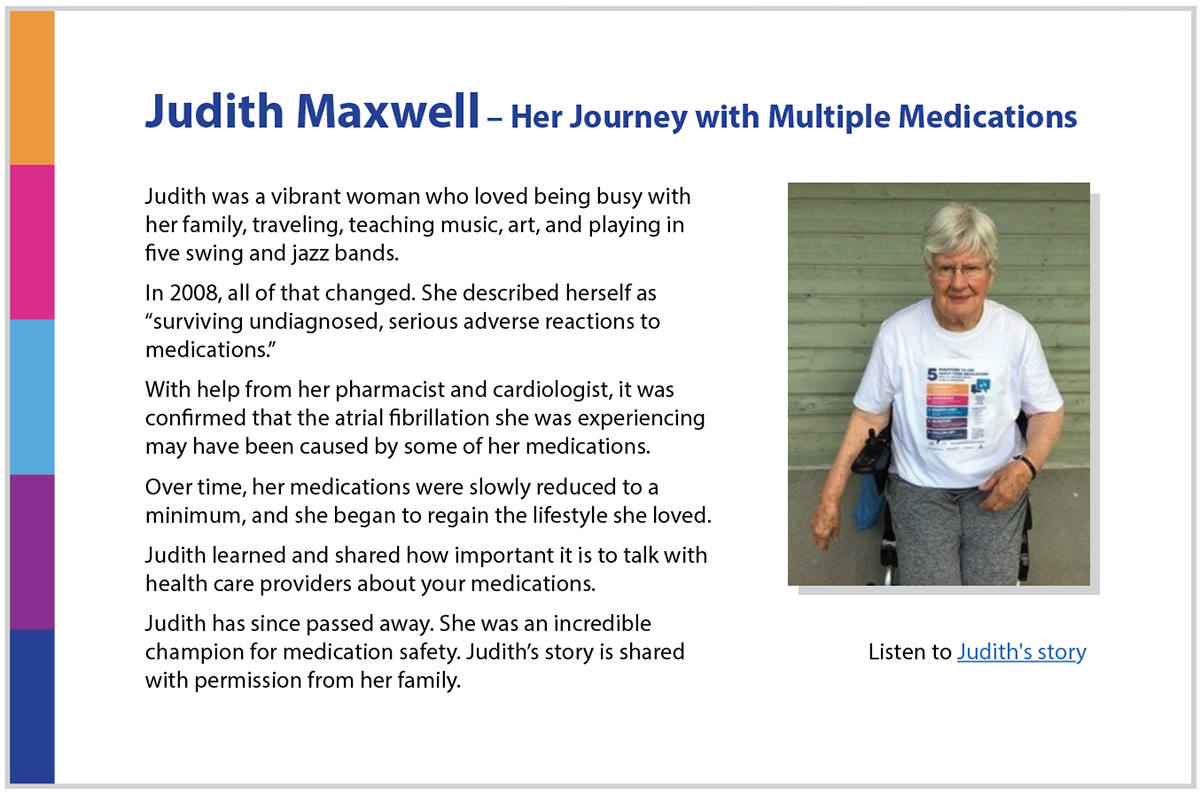
FIGURE 4. An excerpt from the 5 Questions to Ask About My Multiple Medications toolkit.
CONCLUSION
Ensuring the appropriate use of all medications requires shared decision-making within the care team, including patients/caregivers. Resources were developed to help start conversations and to engage with patients/caregivers to reduce the potential for harm related to multiple medications. Patients/caregivers and prescribers providing primary care may benefit from these resources and are encouraged to provide their feedback by email to AppropriateUse@cda-amc.ca.

The Canadian Medication Incident Reporting and Prevention System (CMIRPS) is a collaborative pan-Canadian program of Health Canada, the Canadian Institute for Health Information (CIHI), the Institute for Safe Medication Practices Canada (ISMP Canada) and Healthcare Excellence Canada (HEC). The goal of CMIRPS is to reduce and prevent harmful medication incidents in Canada.
Funding support provided by Health Canada. The views expressed herein do not necessarily represent the views of Health Canada.

The Healthcare Insurance Reciprocal of Canada (HIROC) provides support for the bulletin and is a member owned expert provider of professional and general liability coverage and risk management support.

The Institute for Safe Medication Practices Canada (ISMP Canada) is an independent national not-for-profit organization committed to the advancement of medication safety in all healthcare settings. ISMP Canada’s mandate includes analyzing medication incidents, making recommendations for the prevention of harmful medication incidents, and facilitating quality improvement initiatives.
Report Medication Incidents (Including near misses)
Online: ismpcanada.ca/report/
Phone: 1-866-544-7672
ISMP Canada strives to ensure confidentiality and security of information received, and respects the wishes of the reporter as to the level of detail to be included in publications.
Stay Informed
Subscribe to the ISMP Canada Safety Bulletins and Newsletters.
This bulletin shares information about safe medication practices, is noncommercial, and is therefore exempt from Canadian anti-spam legislation.
Contact Us
Email: cmirps@ismpcanada.ca
Phone: 1-866-544-7672
©2026 Institute for Safe Medication Practices Canada.