Hospital Readmissions Associated with Medication Incidents during Transitions of Care
Hospital readmissions cost the Canadian health care system an estimated $2.9 billion in 2023. In addition to the financial cost, returning to hospital can affect the patient's overall health and their trust in the health care system. This bulletin highlights the findings from an analysis of medication incidents associated with an emergent need to return to hospital (including hospital readmissions and emergency department visits). Recommendations to optimize safe transitions of care are shared to help minimize return to hospital as a result of a medication incident.
KEY SAFETY STRATEGIES
Discharge planning
- Reassess the medication regimen for appropriateness, including the patient’s ability to continue therapy in the community (e.g., access to medications, laboratory monitoring).
- Incorporate stop, start, and change sections/designations on discharge prescriptions and summaries.

Discharge prescription processing
- Update the patient’s profile to reflect medication changes made upon hospital discharge.
- Implement an independent double check of dispensed medications against discharge prescriptions.

Discharge plan implementation
- Ask patients/caregivers to demonstrate how to properly use each new medication to confirm their understanding of what to do at home.
INTRODUCTION
Hospital readmissions, defined as urgent rehospitalizations within 30 days of discharge, cost the Canadian health care system an estimated $2.9 billion in 2023.1 In addition to the financial cost, returning to hospital can affect the patient’s overall health and their trust in the health care system. This bulletin highlights the findings from an analysis of medication incidents associated with an emergent need to return to hospital (including hospital readmissions and emergency department visits). Recommendations to optimize safe transitions of care (between the hospital, community pharmacy, and patient’s home) are shared to help minimize return to hospital as a result of a medication incident.
BACKGROUND
Medication safety at transitions of care, including discharge from hospital, has been identified by the World Health Organization as an area of priority focus to reduce medication-related harm.2 In a Canadian study, 44% of patients did not follow at least 1 medication change made at hospital discharge; these patients had a higher risk of adverse events (including hospital readmissions and emergency department visits) in the 30 days after discharge, compared to patients who followed all the medication changes.3
METHODOLOGY
Medication incidents associated with an emergent need to return to hospital (i.e., hospital readmission or an emergency department visit), submitted in the 10-year period between December 2015 and November 2025, were extracted from the Canadian Medication Incident Reporting and Prevention System (CMIRPS).† Search terms included: “readm*” (to capture readmit, readmission), “return to hospital”, and “back to emergency”. Incidents were excluded if the cause of the return to hospital was unclear. The analysis was conducted according to the multi-incident analysis methodology outlined in the Canadian Incident Analysis Framework.4
QUANTITATIVE FINDINGS
Of the 266 incidents that were retrieved for screening, 64 met the inclusion criteria for the analysis.‡ Most of the reported incidents indicated an outcome of harm (Figure 1). The most common type of incident reported was dose/medication omission (Figure 2).
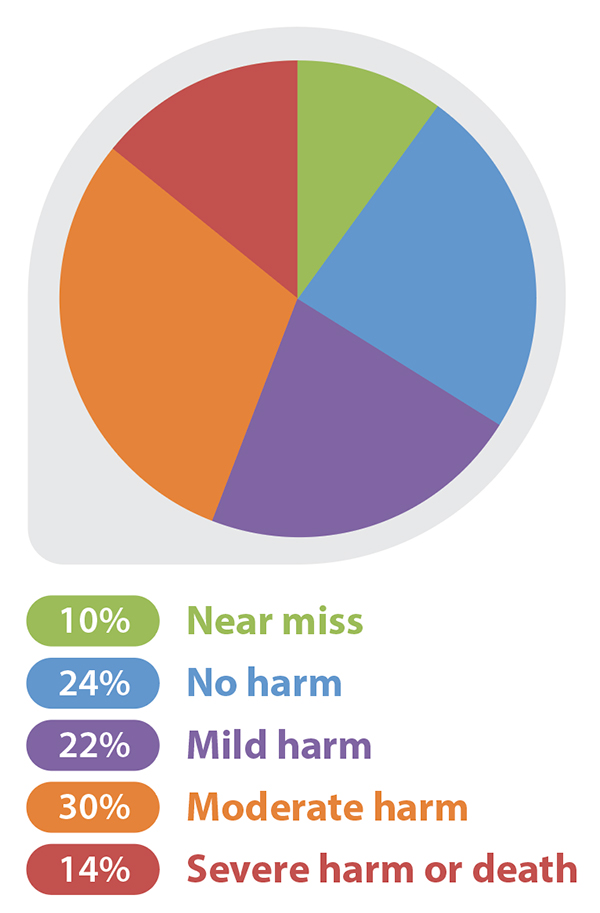
FIGURE 1. Levels of harm reported for incidents associated with an emergent need to return to hospital.
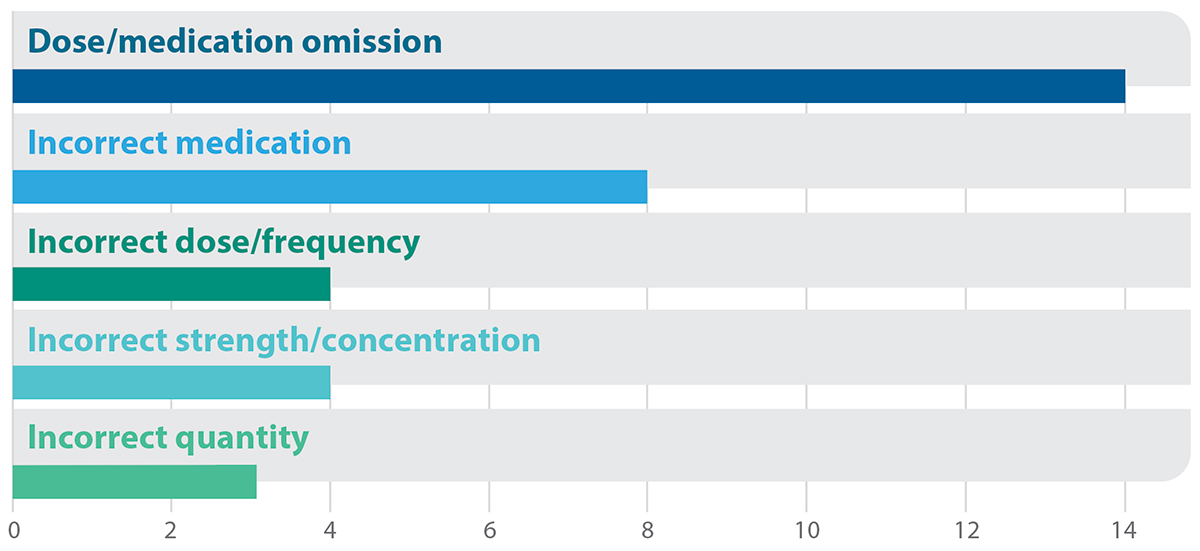
FIGURE 2. The top 5 types of reported incidents associated with an emergent need to return to hospital.
QUALITATIVE FINDINGS
The qualitative analysis of medication incidents associated with an emergent need to return to hospital identified 3 main themes and corresponding subthemes (Figure 3).
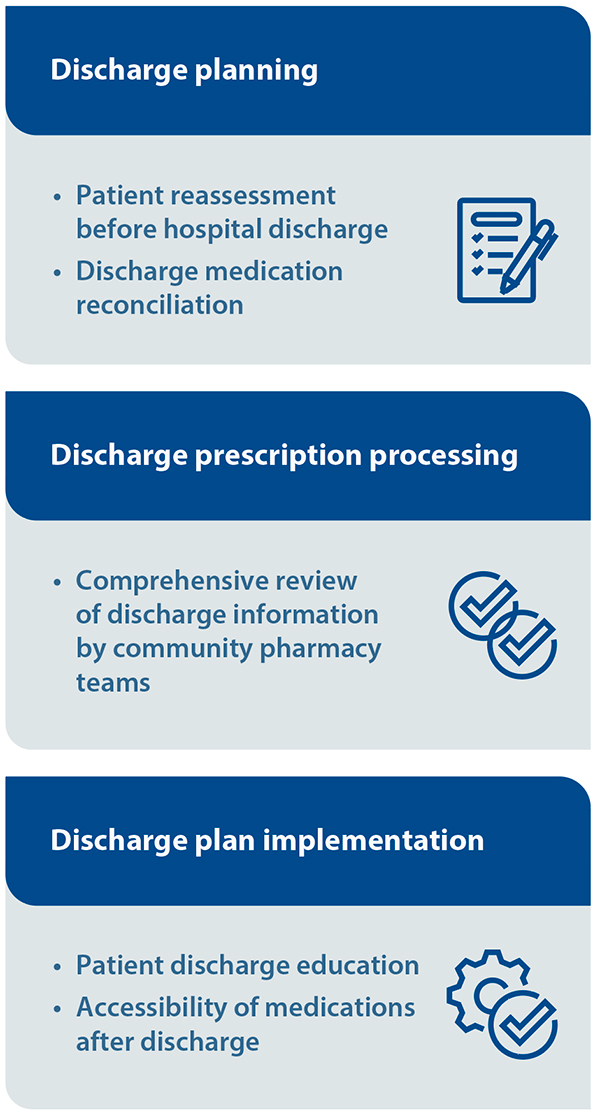
FIGURE 3. Themes and subthemes identified in the qualitative analysis of incidents associated with an emergent need to return to hospital.
THEME: Discharge Planning
This theme captured incidents that occurred in the hospital, associated with discharge planning and processes.
Subtheme: Patient reassessment before hospital discharge
Insufficient patient reassessment to evaluate the appropriateness of the medication regimen upon discharge (e.g., to determine the need for potential dose adjustments) contributed to poor treatment outcomes requiring subsequent return to hospital.
Incident example: A patient received amiodarone 400 mg 3 times daily while in hospital and was discharged with the same regimen. The patient was readmitted to hospital a few weeks later, after experiencing adverse effects. The physician realized that a reduced dose (tapering to 200 mg once daily) should have been prescribed at discharge.
Subtheme: Discharge medication reconciliation
Gaps in discharge medication reconciliation (i.e., MedRec) contributed to missed opportunities to identify errors in discharge prescriptions and discharge summaries.
Incident example: A patient was hospitalized for cardiac issues, and multiple medications were changed to meet their care needs. The discharge prescription did not specify stopping 2 previous blood pressure medications. As a result, the patient continued to take the old medications at home, as well as the newly filled prescriptions for blood pressure management. The patient was readmitted to hospital with severe hypotension.
THEME: Discharge Prescription Processing
This theme captured incidents that occurred in the community pharmacy, associated with dispensing processes.
Subtheme: Comprehensive review of discharge information by community pharmacy teams
Difficulty in identifying key information in multipage discharge prescriptions and/or discharge summaries contributed to incidents within this subtheme. The type of incident most commonly reported was dose/medication omission.
Incident example: A hospital nurse called the community pharmacy to inquire about 2 medications prescribed but not dispensed at the time of a patient’s previous discharge. Upon review, the pharmacy found 2 handwritten prescriptions on a page among the patient’s discharge papers. These prescriptions had not been dispensed. This oversight contributed to the patient’s worsening symptoms and hospital readmission.
THEME: Discharge Plan Implementation
This theme captured incidents that occurred in the home, emphasizing the importance of engaging and empowering patients and their caregivers with knowledge to successfully carry out the discharge plan.
Subtheme: Patient discharge education
Absent or insufficient patient engagement and education at the hospital and/or community pharmacy contributed to patients’ misunderstanding of medication use and monitoring.
Incident example: A patient with a recent diagnosis of type 1 diabetes was readmitted to hospital with severe metabolic acidosis. The patient had been using the insulin pen without taking off the needle cap; as a result, no insulin had been administered.
Subtheme: Accessibility of medications after discharge
The cost of medications and/or lack of coverage for medications can be a significant barrier to patients’ ability to follow the discharge plan.
Incident example: A patient was given a prescription for an expensive antifungal medication at the hospital, with instructions for the medication to be taken for 1 year. After discharge, the patient did not fill the prescription because they did not have drug coverage. Upon readmission to hospital for further treatment of the condition, the care team worked to secure access to the medication for the duration of therapy.
RECOMMENDATIONS
Hospital Teams (at discharge)
- Reassess the patient’s medication regimen for appropriateness before discharge.5,6
- Conduct medication reconciliation at discharge (using the best possible medication history [BPMH] from admission)5,6,7 to create an up-to-date medication list.
- Consider the patient’s ability to continue medication therapy in the community (e.g., availability of medications, ability to adhere to the regimen, access to laboratory monitoring, use of medication delivery devices, and affordability/coverage of medications).6
- Call the community pharmacy to proactively clarify complex medication regimens and answer any questions.6
- Communicate (verbally and in writing) medication-related changes and follow-up appointments to members of the patient’s circle of care, including the patient and/or caregiver.8
- Confirm patient/caregiver understanding of their medications via a teach-back method.8,9
- Review discharge document templates to identify improvement opportunities:
- Number the pages of discharge prescriptions and discharge summaries to minimize the risk of omissions (e.g., “1 of 4” or “Page 3 of 5”).
- Incorporate start, stop, and change sections/designations on discharge prescriptions and/or discharge summaries to assist with medication reconciliation in the next care setting.6
- Provide direct contact information for the hospital pharmacist or care unit on discharge prescriptions to facilitate communication with the community pharmacy (or other receiving care team) should clarification be needed.
- Include prompts for providers if drug coverage codes are required for provincial formularies.
Community Pharmacy Teams
- Review and update the patient’s profile to reflect medication changes made upon hospital discharge, including inactivation of discontinued medications/doses and a clinical check of therapeutic substitutions that may have occurred as a result of hospital formulary limitations.5,10
- Implement an independent double check of dispensed medications against discharge prescriptions.11
- Use provincial electronic health records, if available, to clarify unclear prescriptions.
- Contact a hospital team member (e.g., hospital pharmacist) to resolve discrepancies or clarify unclear prescriptions.
- Ask patients/caregivers to demonstrate how to properly use each new medication (e.g., teach-back method) to confirm their understanding.9
- Encourage the patient to bring discontinued medications back to the pharmacy for safe disposal.
Hospital Teams (at readmission)
- Consider a medication incident or adverse drug reaction in the differential diagnosis as a potential reason for the patient’s return to hospital.12
- Communicate a medication incident within the patient’s circle of care to facilitate discussion, learning, and quality improvement.
- Report a medication incident internally and/or externally to support shared learning.
CONCLUSION
This analysis of medication incidents associated with an emergent need to return to hospital identified several opportunities for improvement in transitions of care across the continuum of care. The accurate communication of medication-related information within the circle of care and between care settings (including the hospital, community pharmacy, and patient’s home) helps to optimize patient outcomes and reduces the risk of hospital readmission as a result of a medication incident.

The Canadian Medication Incident Reporting and Prevention System (CMIRPS) is a collaborative pan-Canadian program of Health Canada, the Canadian Institute for Health Information (CIHI), the Institute for Safe Medication Practices Canada (ISMP Canada) and Healthcare Excellence Canada (HEC). The goal of CMIRPS is to reduce and prevent harmful medication incidents in Canada.
Funding support provided by Health Canada. The views expressed herein do not necessarily represent the views of Health Canada.

The Healthcare Insurance Reciprocal of Canada (HIROC) provides support for the bulletin and is a member owned expert provider of professional and general liability coverage and risk management support.

The Institute for Safe Medication Practices Canada (ISMP Canada) is an independent national not-for-profit organization committed to the advancement of medication safety in all healthcare settings. ISMP Canada’s mandate includes analyzing medication incidents, making recommendations for the prevention of harmful medication incidents, and facilitating quality improvement initiatives.
Report Medication Incidents (Including near misses)
Online: ismpcanada.ca/report/
Phone: 1-866-544-7672
ISMP Canada strives to ensure confidentiality and security of information received, and respects the wishes of the reporter as to the level of detail to be included in publications.
Stay Informed
Subscribe to the ISMP Canada Safety Bulletins and Newsletters.
This bulletin shares information about safe medication practices, is noncommercial, and is therefore exempt from Canadian anti-spam legislation.
Contact Us
Email: cmirps@ismpcanada.ca
Phone: 1-866-544-7672
©2026 Institute for Safe Medication Practices Canada.